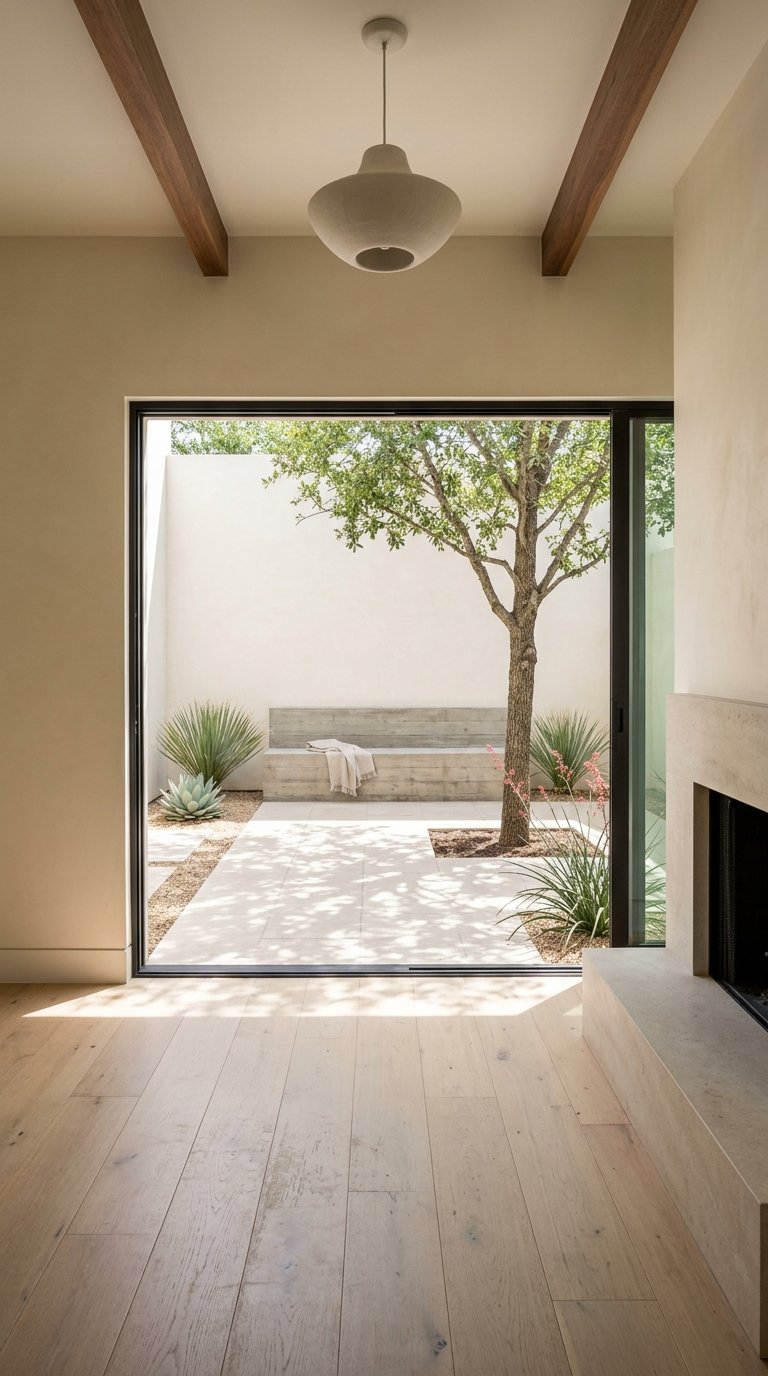
If you are deciding between Barton Hills and Zilker, you are not really choosing between a good neighborhood and a bad one. You are choosing between two strong central Austin options that offer different daily rhythms, housing styles, and lifestyle tradeoffs. This guide will help you compare how each area lives day to day, what the housing stock looks like, and which one may fit your priorities more clearly. Let’s dive in.
Barton Hills vs. Zilker at a Glance
Barton Hills and Zilker sit close to each other geographically, and both connect you to some of Austin’s most recognized outdoor amenities. They also both land in Austin’s premium price tier, with Zilker’s typical home value slightly above Barton Hills in Zillow’s current data.
That said, price alone usually does not decide this matchup. In most cases, the real choice comes down to whether you want a more walkable, park-adjacent routine in Zilker or a quieter, more residential setting in Barton Hills.
Barton Hills Lifestyle
Barton Hills tends to feel tucked away. The Barton Hills Neighborhood Association describes it as a small residential community among the hills of south Austin along Barton Creek, with a focus on preserving neighborhood character, environmental protection, traffic control, and community improvements.
For you as a buyer, that often translates into a more secluded day-to-day experience. Streets can feel more residential, and the overall setting leans toward a calmer, hill-and-creek environment rather than an event-centered one.
A More Residential Routine
If your ideal day starts with a quieter setting and a little more separation from the busiest public spaces, Barton Hills may feel like a better fit. It still offers strong access to outdoor recreation, but the neighborhood itself reads as more private and less public-facing.
That difference matters when you think about how you want your home to feel after the workday ends. Some buyers want energy right outside the door, while others want to come home to something more settled.
Greenbelt Access Shapes the Experience
Barton Hills is closely tied to the Barton Creek Greenbelt. The City of Austin lists several nearby access points, including the Zilker/Barton Creek Greenbelt Trailhead, the Barton Hills School Park/Homedale Dr. Trailhead, and the Gus Fruh/Barton Hills Dr. Trailhead.
That gives you meaningful access to outdoor life without requiring a park-centered address. If hiking, trail access, and natural surroundings are high on your list, Barton Hills offers a strong case.
Zilker Lifestyle
Zilker feels more active and amenity-driven. The City of Austin describes Zilker Metropolitan Park as Austin’s oldest metropolitan park and a major recreation hub with Barton Springs Pool, the Zilker Botanical Garden, the Austin Nature and Science Center, the Umlauf Sculpture Gardens, Butler Hike and Bike Trail, and Barton Creek Trail.
The city also notes that the park hosts major events like Austin City Limits Music Festival, the Trail of Lights, and the ABC Kite Festival. That puts Zilker closer to the center of Austin’s outdoor and event culture.
A More Walkable Daily Flow
Walk Score rates Zilker as much more walkable than Barton Hills and describes it as very walkable. Barton Hills, by contrast, is described as a place where most errands require a car.
If you want a walking-first routine, Zilker has the edge by a wide margin. You may find that the neighborhood supports a more connected, on-foot lifestyle, especially if being near parks and public amenities is a major part of how you want to live.
Parks at the Front Door
Zilker’s neighborhood association highlights the area’s connection to many parks and museums, including Butler Shores Park, Little Zilker Park, South Zilker Park, and the larger Zilker Metropolitan Park system. For many buyers, that creates an everyday experience that feels open, active, and visibly tied to Austin’s public recreation network.
If you like being near where things happen, Zilker may line up better with your lifestyle. It often appeals to buyers who want movement, access, and a strong sense of place tied to iconic Austin amenities.
Walkability and Daily Convenience
One of the clearest differences between Barton Hills and Zilker is how daily errands may feel. Zilker supports more of a walkable rhythm, while Barton Hills tends to work better for buyers who do not mind driving for more everyday needs.
That does not mean Barton Hills lacks convenience. It means convenience shows up differently there. In Barton Hills, the tradeoff may be less walkability in exchange for a more tucked-away residential setting.
Recreation Access in Both Neighborhoods
Both neighborhoods benefit from close access to Barton Springs and the broader green space network. Barton Springs Pool sits in Zilker Park, and the City of Austin notes a south entrance on Azie Morton Road, which helps explain why both areas feel connected to the same outdoor ecosystem.
In simple terms, you are not giving up access to Austin’s signature recreation if you choose either neighborhood. The difference is mostly about whether you want to live next to the park-centered activity or near the trail-centered residential edge.
Event Activity and Traffic Considerations
This is one area where lifestyle fit matters a lot. The City of Austin notes that access to Zilker Park can be affected by events or maintenance, and Barton Hills’ neighborhood association highlights traffic and neighborhood concerns as part of its civic priorities.
If you are sensitive to event-related activity, parking pressure, or shifts in traffic flow, this is worth thinking through carefully. Zilker’s appeal is tied in part to major public amenities, and that can bring more activity. Barton Hills may offer a little more separation, though it is still influenced by nearby demand and access patterns.
Housing Style and Architectural Identity
For many buyers, the biggest emotional difference between these neighborhoods is the housing stock. Even when prices are close, the architectural feel can point you clearly in one direction.
Barton Hills Architecture
Barton Hills has a stronger mid-century and modernist identity. According to the Barton Hills Neighborhood Association, the neighborhood includes A.D. Stenger homes in a Contemporary style influenced by Frank Lloyd Wright’s Prairie style, with gently sloping roofs, clerestory windows, and decks that extend into the treetops.
If you are drawn to postwar modernism, mature trees, and homes that feel integrated with the landscape, Barton Hills has a distinct appeal. It often feels more cohesive in that design-forward, residential way.
Zilker Architecture
Zilker’s housing stock is older and more mixed. The Zilker Neighborhood Association says many of the first homes were built in the late 1920s, with older cottage and bungalow styles followed later by small ranch and modern homes.
That gives Zilker a more layered, block-by-block character. If you like vintage cottages, bungalows, and a wider mix of old and newer homes, Zilker may offer the variety you want.
Which Neighborhood Feels Quieter?
Based on neighborhood descriptions and civic priorities, Barton Hills is generally the more residential and preservation-oriented option. Zilker tends to feel more public-facing because of its close relationship to major parks and events.
If your idea of luxury includes a little more calm, topography, and privacy, Barton Hills may align better. If your version of lifestyle value is being near Austin’s most active outdoor core, Zilker may feel more compelling.
Which One Makes More Sense as a Long-Term Fit?
Because both neighborhoods sit in a premium tier and the pricing gap is modest, your decision often comes down to routine and asset profile more than headline price. Condition, exact block, lot utility, and housing style may matter just as much as the neighborhood name.
A strategic way to think about it is this:
- Choose Barton Hills if you want a more residential setting, stronger mid-century character, treed surroundings, and direct Greenbelt access.
- Choose Zilker if you want stronger walkability, immediate park adjacency, a more energetic feel, and a mix of older cottages, bungalows, and infill homes.
In a close comparison like this, the best choice is usually the one that fits how you want to live five days a week, not just how a neighborhood feels during one weekend showing.
If you are weighing Barton Hills against Zilker, a clear comparison of block-by-block feel, housing style, and long-term positioning can make the decision much easier. For tailored guidance on central Austin luxury neighborhoods, connect with Peyton Thompson.
FAQs
Which neighborhood is more walkable, Barton Hills or Zilker?
- Zilker is more walkable by a wide margin based on Walk Score, while Barton Hills is more car-dependent for everyday errands.
Which neighborhood has better access to Barton Springs and the Greenbelt?
- Both have strong access. Zilker sits next to Zilker Park and Barton Springs, while Barton Hills has direct access to several Barton Creek Greenbelt trailheads.
Which neighborhood feels quieter, Barton Hills or Zilker?
- Barton Hills generally feels quieter and more residential, while Zilker feels more active and public-facing because of its park and event proximity.
Which neighborhood has more architectural character, Barton Hills or Zilker?
- They offer different types of character. Barton Hills stands out for mid-century contemporary and A.D. Stenger influence, while Zilker is known for older cottages, bungalows, and a more mixed housing profile.
Are Barton Hills and Zilker similarly priced?
- Both are in Austin’s premium price tier. Zillow’s current data shows Zilker slightly higher in typical home value, but the gap is modest enough that specific property factors can matter just as much.