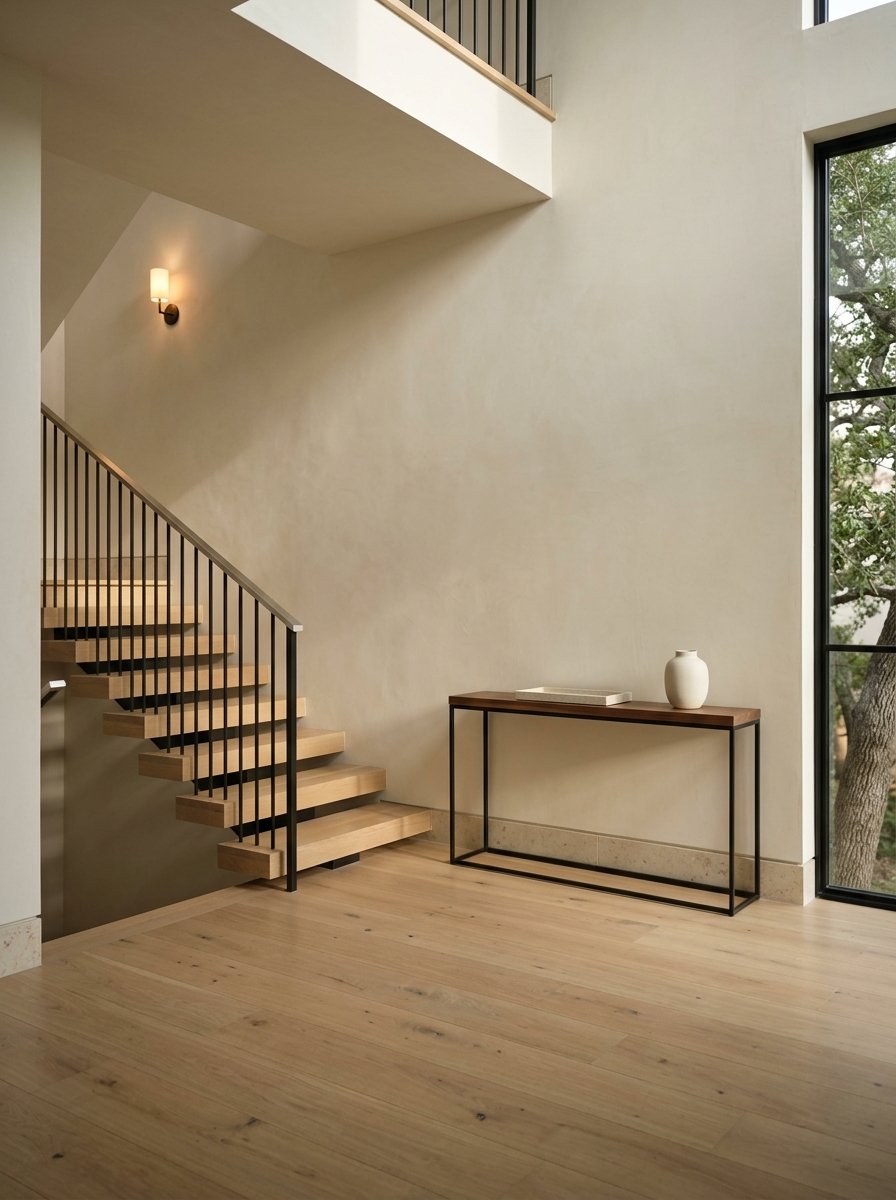
If you are selling a timeless home in Tarrytown, you are not just bringing square footage to market. You are presenting architecture, setting, and history in one of Austin’s most established luxury neighborhoods. In a market where buyers have more time to compare options and expect a polished launch, the right strategy can protect value and sharpen demand. Let’s dive in.
Why Tarrytown Calls for a Different Strategy
Tarrytown stands apart from Austin’s broader housing market. Recent Redfin snapshots show a median sale price of about $1.85 million in Tarrytown over the last three months, compared with roughly $542,000 across Austin overall. That gap matters because it reinforces what many sellers already sense: this is a distinct upper-bracket micro-market, not a one-size-fits-all listing environment.
It is also a relatively small market, which means numbers can move around based on low inventory and limited sales volume. Recent data points to about 42 days on market for sold homes, while luxury listings have shown longer timelines and average sales around 4% below list price. In practical terms, that means pricing, presentation, and launch quality carry more weight than they do in a faster, more uniform segment.
Tarrytown’s appeal also goes beyond price. The neighborhood sits in central west Austin near Lake Austin and close to park spaces such as Mayfield Park and Preserve, Tarrytown Neighborhood Park, Reed Neighborhood Park, and Walsh Boat Landing. For buyers, that mix of location, landscape, and established character often shapes interest as much as the house itself.
Timeless Architecture Is the Asset
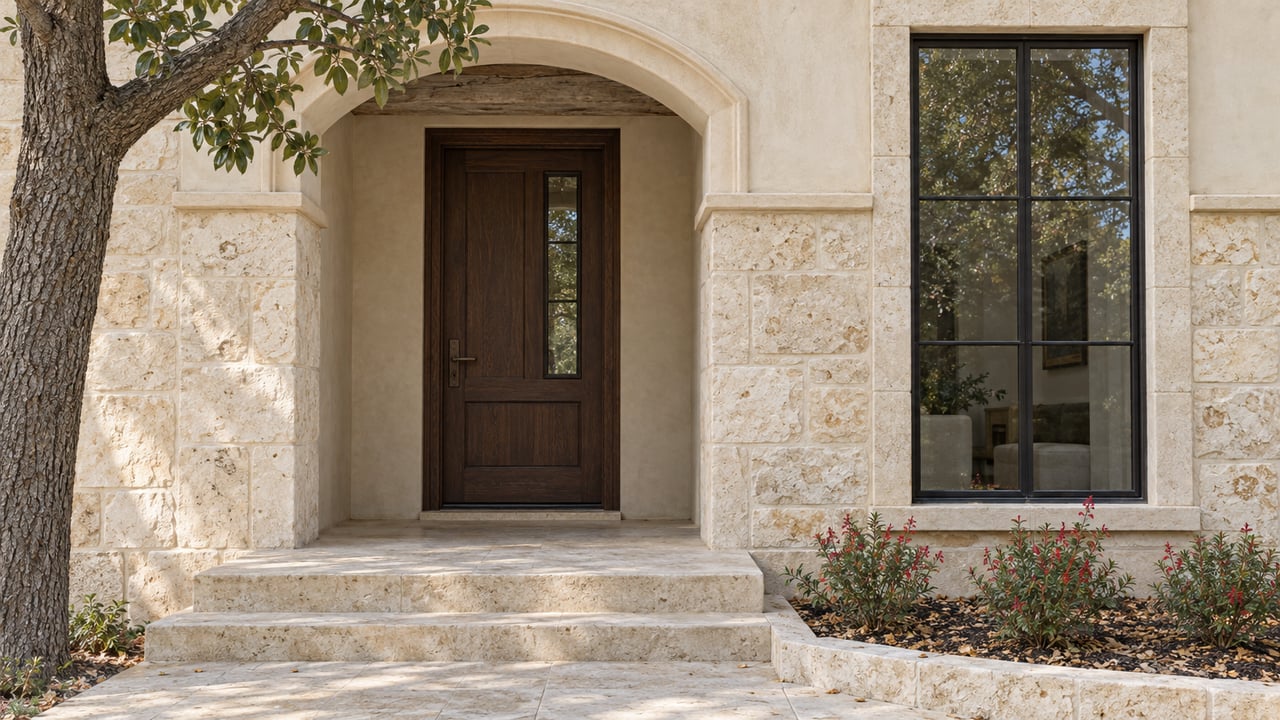
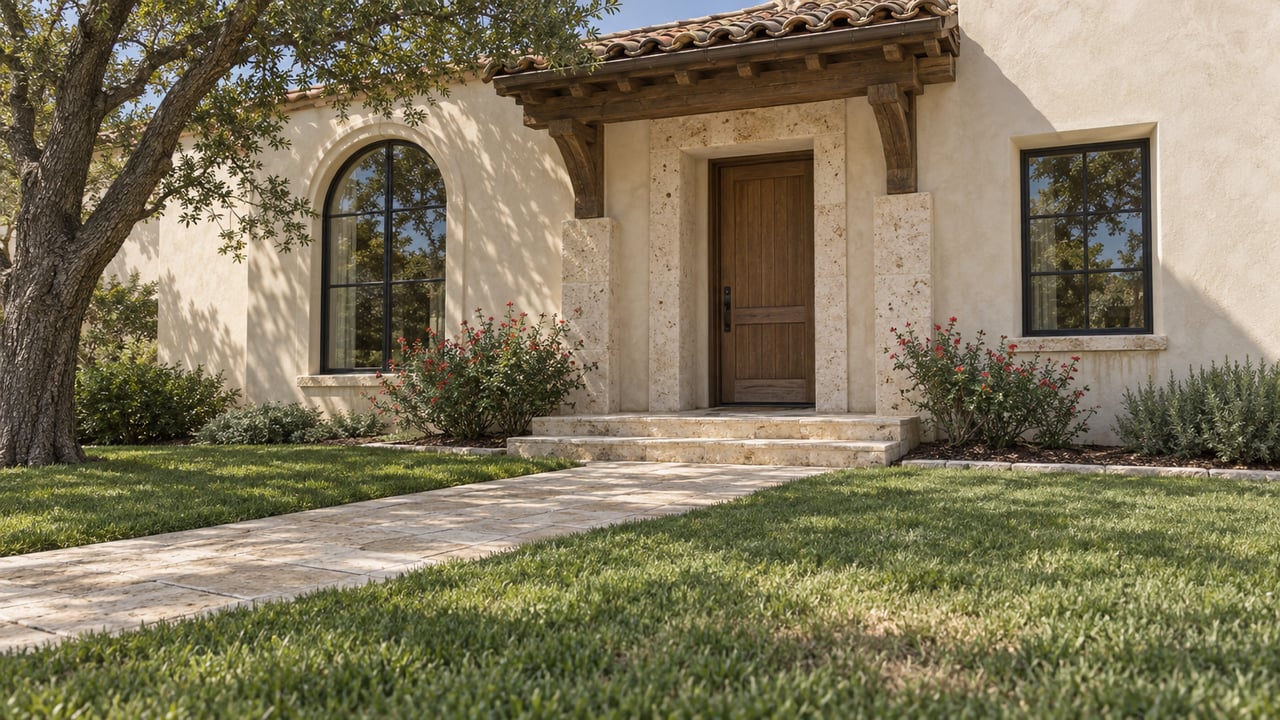
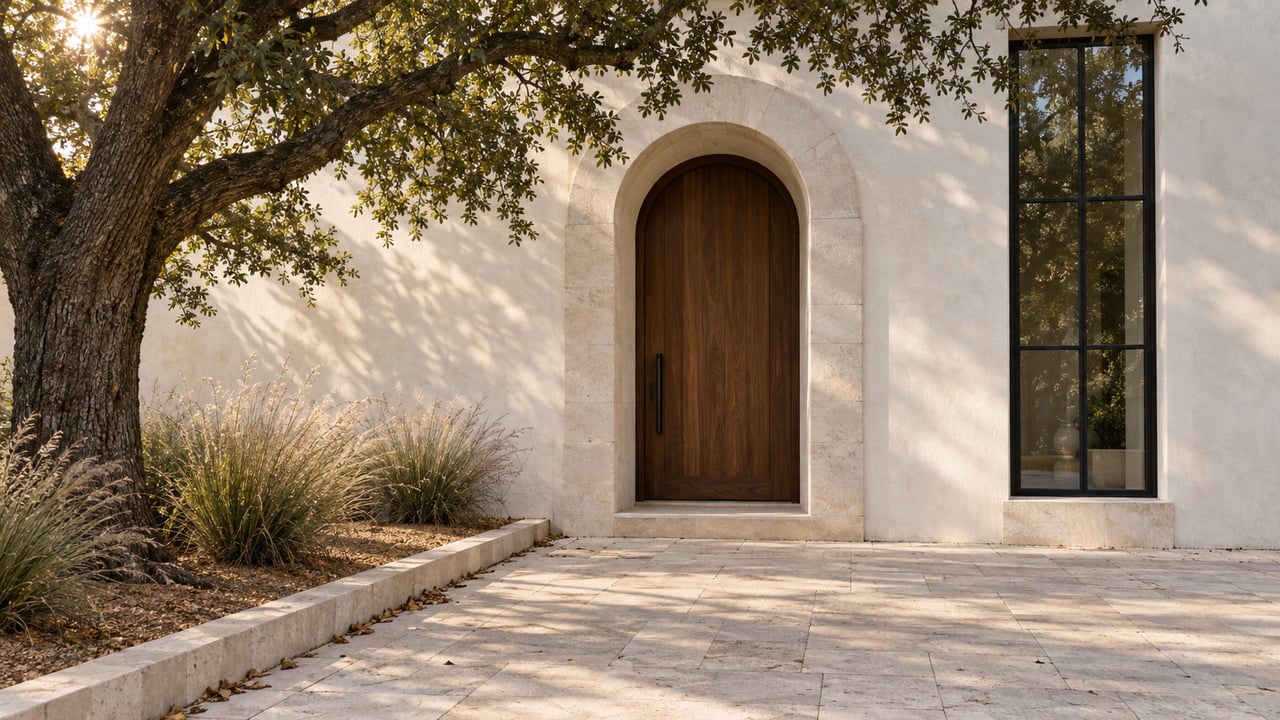
In Tarrytown, older architecture is often a competitive advantage. City historic records show the area includes late-1930s Tudor Revival homes, around-1940 Colonial Revival homes, and 1950s mid-century Modern examples. Those styles support a marketing story built around lasting proportions, original materials, craftsmanship, and mature landscaping.
That matters because many luxury buyers are not simply looking for what is new. They are often drawn to homes with identity and a sense of place. In a neighborhood developed in large part by the Westenfield Development Company and shaped by custom homebuilding, individuality can be more valuable than trend-driven updates.
When a home still has period details, thoughtful millwork, original masonry, or a landscape that has had decades to mature, those elements should not be treated like leftovers from another era. They should be positioned as part of the property’s long-term value. A timeless home in Tarrytown often wins when it feels authentic, not overly reworked.
Start With a Pre-List Inspection
If you are planning to sell within the next 6 to 18 months, a pre-list inspection is a smart first move. It helps separate true maintenance issues from cosmetic ideas that may or may not improve the home’s market position. That clarity is especially useful in an older neighborhood where hidden conditions can influence buyer confidence.
In Tarrytown, buyers are likely to notice and discount visible signs of deferred maintenance. The biggest priorities usually include roof condition, foundation concerns, HVAC performance, drainage, paint, caulking, and exterior wear. Handling those items before launch can improve first impressions and reduce negotiation pressure later.
This kind of preparation also supports a more strategic budget. Instead of spending broadly, you can invest where buyers tend to react most strongly. The goal is not to erase the home’s age. It is to present it as well cared for, functional, and ready for the next owner.
Make Selective Updates, Not a Full Rewrite
For many Tarrytown homes, the best improvements are selective rather than sweeping. Austin’s preservation guidance reinforces the value of older buildings and neighborhood character, which supports a lighter-touch approach that solves problems without stripping away identity. In simple terms, smart edits usually outperform a full rewrite.
The strongest updates are often the ones that improve livability and visual consistency. That can include fresh paint, better lighting, updated hardware, repaired flooring, kitchen and bath refreshes, landscaping improvements, and more usable outdoor areas. These upgrades can help a home feel current while still respecting the architecture that makes it special.
Buyer preference data also supports this approach. Buyers consistently respond to energy-efficient upgrades, flexible-use spaces, smart-home features, strong visuals, and functional outdoor living. That does not mean every seller should remodel everything. It means a handful of visible, high-impact improvements can do more than a costly overhaul that misses the home’s original strengths.
Check Historic Rules Before Exterior Changes
Before making exterior changes to an older Tarrytown property, it is wise to confirm whether city historic-preservation guidance may apply. Austin’s Historic Preservation Office reviews exterior changes to buildings that are 45 years or older, and some properties may be referred to the Historic Landmark Commission. In general, a property may qualify for landmark consideration if it is at least 50 years old, retains historic integrity, and meets significance criteria.
That does not mean every older home faces the same restrictions. It does mean exterior work should be vetted early, especially if the plan includes visible changes to materials, windows, façade details, or rooflines. For sellers, this can prevent delays and keep the pre-list timeline realistic.
This step also protects the marketing narrative. If your home’s value is tied in part to its architectural continuity, then preserving that identity is not just a compliance issue. It is a positioning decision.
Market the Home Like a Launch
In Tarrytown’s luxury segment, a listing should feel like a launch. It is not enough to put a home on the market and hope the right buyer finds it later. Early traction matters because buyers often discover homes through saved searches, listing alerts, and social feeds, and they make fast decisions about what is worth seeing in person.
National buyer research supports that reality. A large share of buyers find the home they purchase online, and listing photos are one of the most useful tools in their search. Floor plans, videos, virtual tours, and detailed listing information also influence whether a buyer schedules a showing or scrolls past.
That is why launch-day quality matters so much. If the photography is weak, the floor plan is missing, or the home story is unclear, you may lose your strongest window of attention. In a market where buyers have options and more bargaining power than they did in prior years, first impressions need to do real work.
Build Visuals Around How the Home Lives
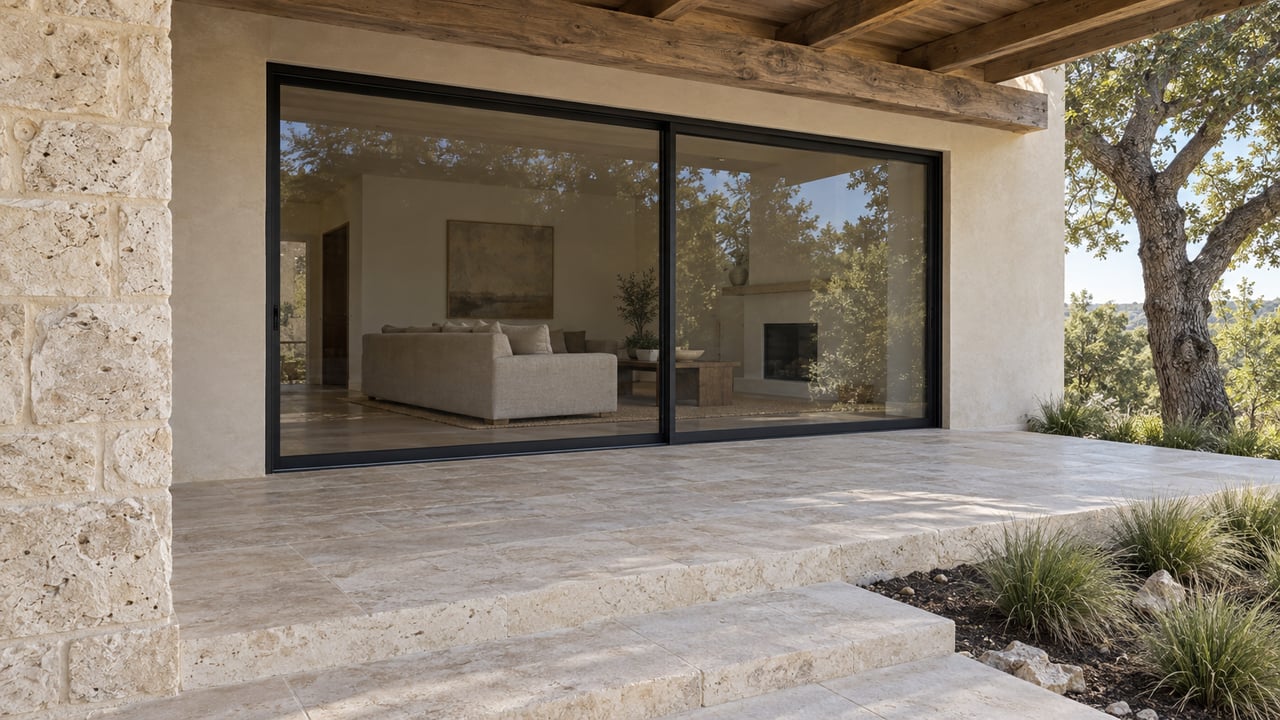
The best luxury marketing does more than document rooms. It shows how the property lives. For a timeless Tarrytown home, that often means leading with the exterior presence, then layering in the details that create atmosphere and flow.
A strong media package should usually include:
- Clean exterior photography that captures architecture and landscape
- Interior images that show scale, light, and material quality
- A floor plan that helps buyers understand layout
- Video or a short film that connects rooms, outdoor spaces, and daily living
- Detailed property remarks that explain updates, architectural features, and setting
For the right home, archival context can also add depth. The Austin History Center maintains extensive photo collections, and the City of Austin Property Profile tool includes aerial imagery going back decades. Used thoughtfully, that material can help tell a credible story about how a home fits into Tarrytown’s long architectural continuity.
Speak to the Right Buyer Pool
A timeless home in Tarrytown should not be marketed to a narrow buyer stereotype. Based on the neighborhood’s price point and broader buyer trends, the likely audience can include repeat buyers, downsizers, relocation clients, and high-equity or cash-capable households. Some will care most about architecture, some about privacy, and others about long-term livability close to central Austin.
That means the marketing message should stay broad enough to attract different motivations while remaining specific about the home’s strengths. Instead of guessing who “should” live there, focus on what the property actually offers. Buyers respond better to concrete details than to vague lifestyle claims.
Neutral, factual location context works best here. You can reference central Austin access, proximity to Lake Austin, and nearby parks and green space. If school attendance is relevant, it should be verified for the specific address rather than assumed from neighborhood boundaries.
Pricing Matters More Than Prestige
Even in a luxury neighborhood, price alone does not create demand. Recent Tarrytown and Austin luxury data suggest buyers have more room to negotiate than they did during hotter market cycles. That makes disciplined pricing especially important for distinctive homes that may not have many direct comps.
A timeless property often carries emotional value for the seller, and that is understandable. But buyers still compare condition, location, lot, architecture, and presentation against other available options. The right price should reflect both the home’s uniqueness and the realities of current market pacing.
This is where strategic positioning matters. A well-prepared launch with sharp visuals and a clear story gives pricing more support. Without that foundation, even a beautiful Tarrytown home can sit longer than expected and invite unnecessary price adjustments.
Why Strategy Wins in Tarrytown
Selling a timeless home in Tarrytown is rarely about chasing trends. It is about identifying what gives the property lasting appeal, protecting that character, and presenting it with precision. When the architecture is respected, the maintenance is handled, and the launch is executed at a high level, the home has a much better chance to connect with the right buyer.
That kind of marketing requires more than taste. It takes local context, disciplined preparation, and a clear point of view on value. In a neighborhood where architecture, setting, and scarcity all shape demand, thoughtful strategy can make a measurable difference.
If you are thinking about selling a classic property in Tarrytown, Peyton Thompson brings a strategic, design-aware approach to luxury positioning, pricing, and launch planning.
FAQs
What makes marketing a timeless home in Tarrytown different from marketing a newer luxury home?
- Tarrytown buyers often respond to architectural character, mature landscaping, and original details, so the strategy should highlight authenticity and condition rather than make the home feel overly trend-driven.
What pre-listing work matters most for an older Tarrytown home?
- A pre-list inspection and repairs to roof, foundation, HVAC, drainage, paint, caulking, and visible exterior wear typically matter most because buyers often penalize deferred maintenance.
What updates usually make sense before listing a timeless home in Tarrytown?
- Selective improvements such as paint, lighting, hardware, flooring repair, kitchen or bath refreshes, landscaping, and outdoor-living upgrades are often more effective than a full remodel.
Do older Tarrytown homes need historic review before exterior changes?
- Some do, because Austin reviews exterior changes to buildings 45 years or older and may refer certain properties for further historic consideration depending on age, integrity, and significance.
What marketing materials are most important for a luxury Tarrytown listing?
- Professional photography, a floor plan, detailed listing information, and video or virtual-tour content are especially important because many buyers first discover and evaluate homes online.
Who is the likely buyer for a timeless home in Tarrytown?
- The audience may include repeat buyers, downsizers, relocation clients, and cash-capable or high-equity households looking for design, privacy, central Austin access, and long-term livability.