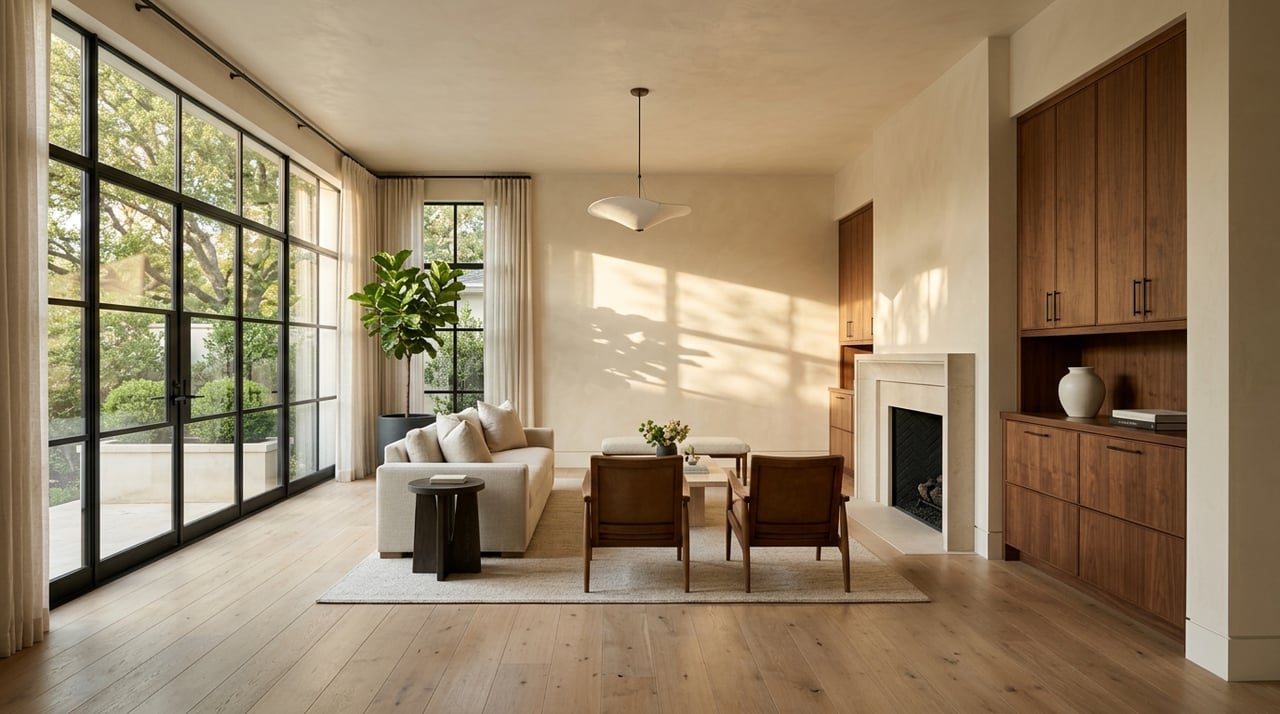
If you own a design-forward home in Barton Hills or Zilker, you already know the details matter. Buyers in this part of Austin are not just comparing square footage. They are comparing architecture, light, flow, outdoor living, and how a home fits the 78704 lifestyle. The good news is that you do not need to overhaul everything to compete well. With the right prep, you can make your home read clearly, photograph beautifully, and connect with the right buyer. Let’s dive in.
Why prep looks different here
Barton Hills and Zilker sit in the same close-in Austin corridor, but they are not one uniform market. In April 2026, Realtor.com reported a median listing price of $1.52 million in Barton Hills, compared with $675,000 in Zilker. Median time on market also differed, with Barton Hills at 82 days and Zilker at 43 days.
That gap matters when you prepare your home for sale. A design-forward listing in Barton Hills may need a different pricing and presentation strategy than a similarly styled home in Zilker. In both areas, buyers tend to compare options carefully, so your home needs a strong first impression and a clear point of view.
The broader 78704 market adds even more context. Realtor.com’s April 2026 snapshot showed a median listing price of $799,000, 437 homes for sale, and a 49-day median time on market. That means your home is often being judged against a wide mix of properties in the same lifestyle corridor, not just homes on the next street.
Start with the home’s core story
Before you paint a wall or swap a light fixture, get clear on the story of the house. Buyers respond best when a home feels coherent. In Barton Hills and Zilker, that usually comes down to four things: architecture, indoor-outdoor flow, material quality, and connection to the neighborhood.
This is especially important in an area shaped by outdoor access and iconic public spaces. Zilker Metropolitan Park spans more than 350 acres and includes Barton Springs Pool, Zilker Botanical Garden, the Austin Nature and Science Center, and major events throughout the year. Barton Creek Greenbelt access points in and around 78704 also reinforce why buyers expect a strong relationship between the home and the outdoors.
When you know your story, your prep decisions get easier. Instead of asking, “What should I change?” you can ask, “What helps the architecture read better, and what distracts from it?” That shift usually saves money and leads to a more polished result.
Fix what buyers notice first
If you are deciding where to spend first, focus on visible consistency and obvious repair items. According to the 2025 NAR Remodeling Impact Report, REALTORS most often recommended painting the entire home, painting one room, and new roofing before a sale. They also reported increased demand in the last two years for kitchen upgrades, new roofing, and bathroom renovation.
For most design-forward homes, the first pass should include:
- Fresh paint where walls, trim, or ceilings show wear
- Updated or matching hardware where finishes feel inconsistent
- Clean, functional lighting that supports the home’s style
- Repair of visible wear such as damaged trim, stained surfaces, or dated fixtures
- Attention to roof condition and exterior elements that can raise questions
The same report noted that a new steel door had a 100% recovered cost, and top projects also included garage door replacement, new siding, new front door, exterior paint, wood flooring, interior paint, kitchen and bathroom work, and roofing. The takeaway is simple: buyers respond to surfaces and systems that feel cared for.
Skip the renovation that does not change the story
You usually do not need a full renovation to sell well in Barton Hills or Zilker. In fact, broad custom work right before listing can create delay, permit questions, and expenses that do not meaningfully improve how the home shows.
A better approach is to divide your prep into three buckets:
Cosmetic consistency
This includes paint, trim, finish matching, hardware, and small styling corrections. These are often the fastest changes with the biggest visual payoff.
Problem-solving repairs
This includes roof concerns, visible deferred maintenance, worn flooring, outdated fixtures, or anything else that might distract a buyer. If an issue makes a buyer wonder what else has been ignored, it belongs on the list.
Selective upgrades
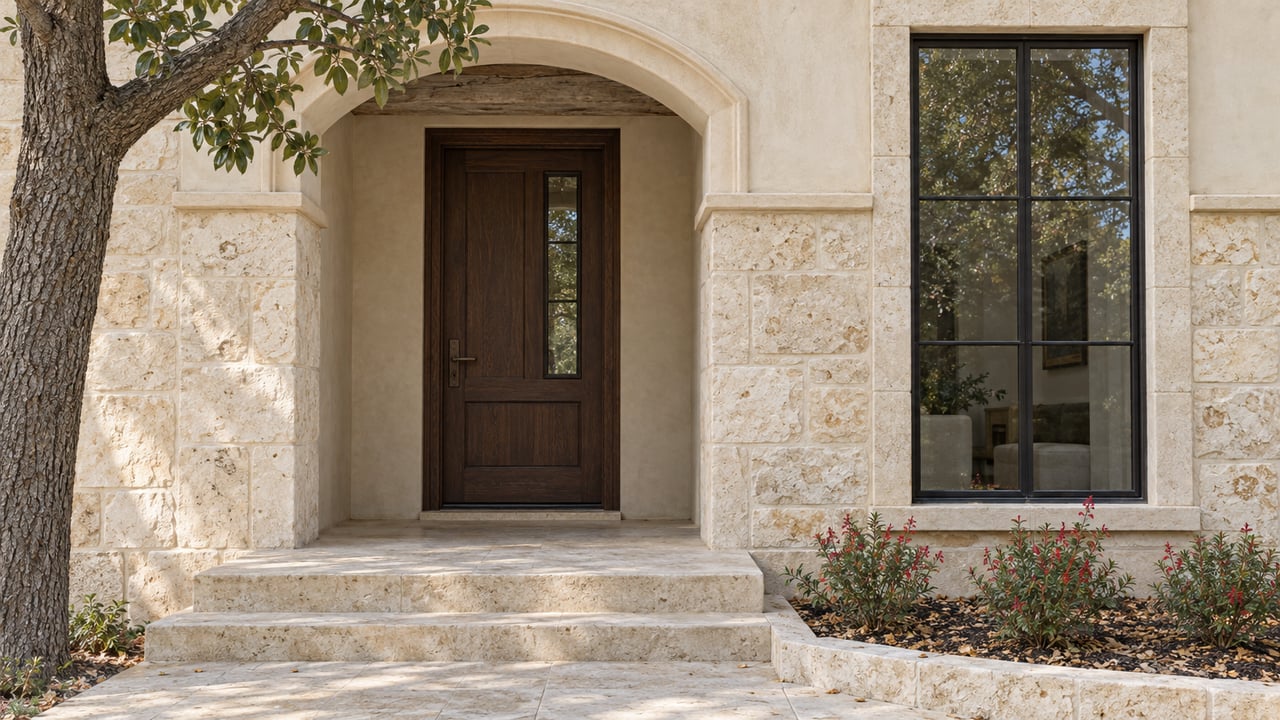
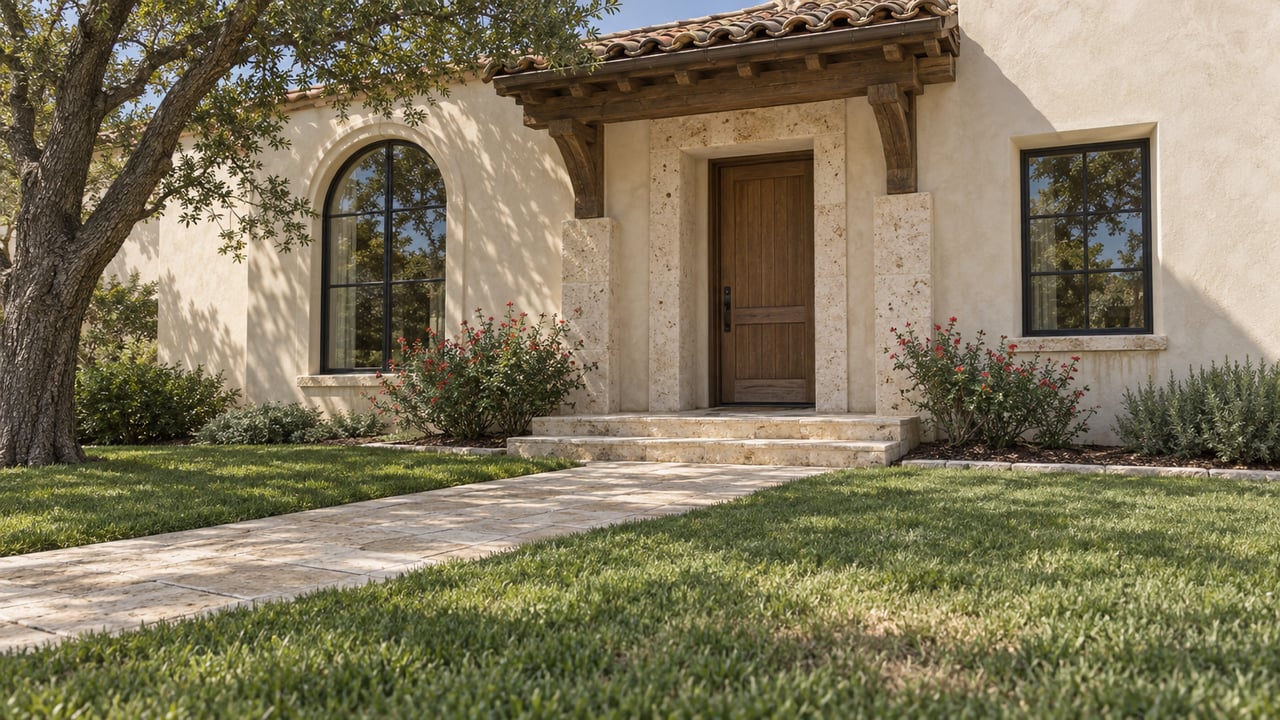
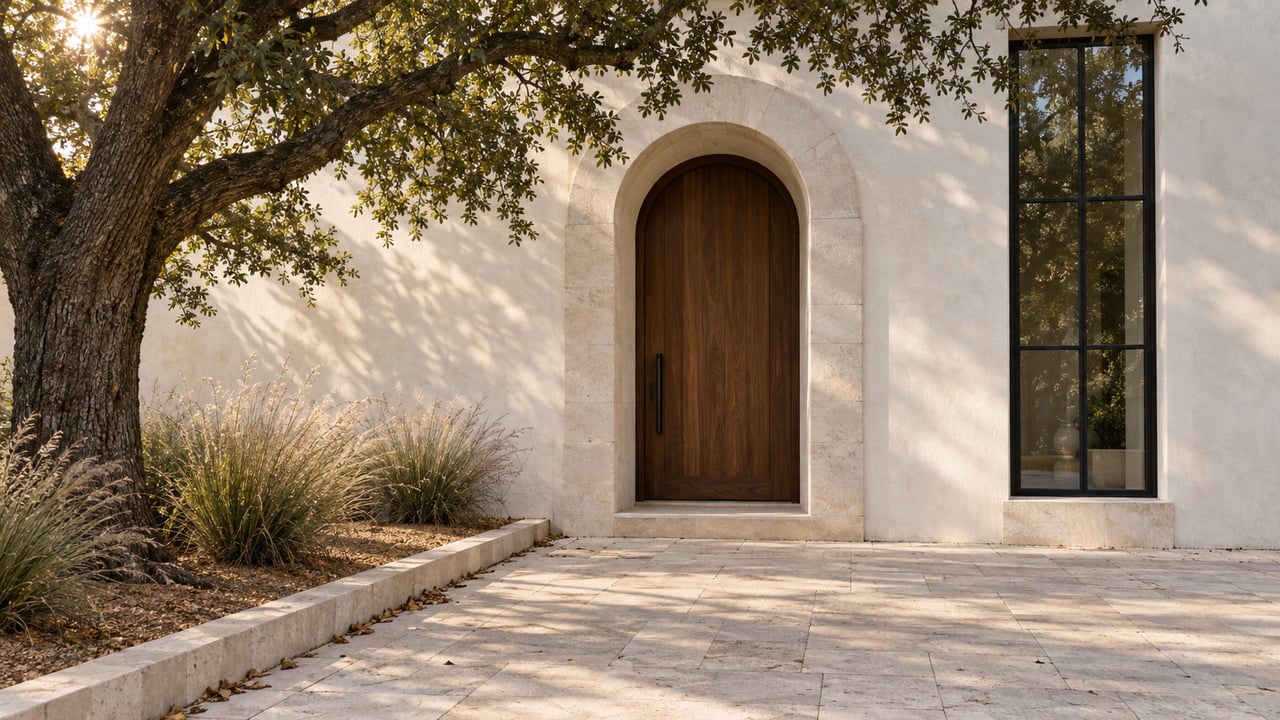
Choose only the few upgrades that improve the home’s story in a real way. That might mean simplifying a kitchen, refining a bathroom, or improving the front entry so the design feels more intentional from the start.
Stage for scale, not clutter
Staging matters, especially in a design-conscious market. NAR’s 2025 staging research found that 60% of buyers’ agents said staging affected most buyers’ view of the home most of the time. It also found that 83% said staging made it easier for buyers to visualize the property as a future home.
For Barton Hills and Zilker, staging should support the architecture rather than compete with it. The best results usually come from restraint. You want clean sight lines, furniture that fits the scale of the room, warm but neutral textiles, and enough texture to make the home feel finished without looking busy.
A few practical staging principles work especially well here:
- Use fewer accessories with more breathing room
- Choose larger, better-proportioned furniture when rooms can handle it
- Keep surfaces edited so materials and light stand out
- Let architectural details do the visual work
- Carry a similar tone and finish story from room to room
Many buyers are influenced by polished listing visuals and staged homes that feel editorial. If your home photographs less intentionally than the competition, it can lose momentum before a showing is even booked.
Focus on the rooms that matter most
Not every room needs the same level of attention. NAR’s 2025 staging report identified the living room, primary bedroom, and kitchen as the rooms that matter most. Those are also the spaces most commonly staged on the seller side.
Living room
This is where buyers read scale, flow, and natural light. If the room feels crowded or undersized because of furniture placement, they may misread the home. Clear pathways and simple styling go a long way.
Primary bedroom
This room should feel calm, open, and intentional. Heavy furniture, too many personal items, or bold styling choices can make it harder for buyers to connect with the space.
Kitchen
In a design-forward home, the kitchen often carries a large part of the value story. Clear counters, consistent finishes, and good lighting help buyers focus on materials, layout, and usability.
Treat outdoor living like a main room
In this part of Austin, the outdoor setup is not a side note. It is part of what buyers are paying for. With Zilker Park, Barton Springs Pool, and Barton Creek Greenbelt access shaping local expectations, a clean and usable exterior can strengthen your listing in a big way.
You do not need a dramatic backyard installation to make an impact. Often, a few simple choices are enough:
- Create one defined seating area
- Trim landscaping and remove visual clutter
- Clean hardscape, decking, and exterior surfaces
- Add subtle evening lighting if appropriate
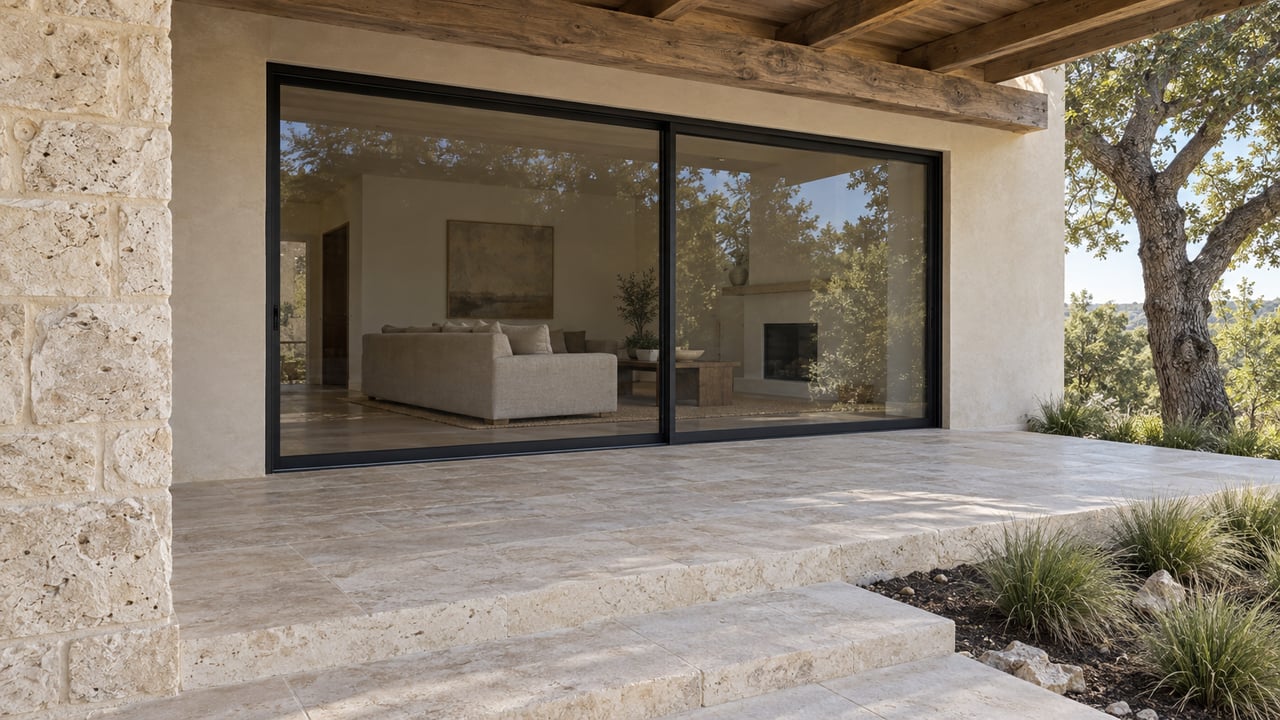
- Make patios and porches feel like an extension of the interior
The goal is to show how the home lives, not to overproduce the yard. Buyers want to imagine morning coffee, easy entertaining, and a smooth flow from inside to outside.
Build a sharper media package
Your listing photos and video are part of the preparation, not something that happens after everything else is done. NAR’s 2025 staging report shows that photos, physical staging, video, and virtual tours all matter to buyers. That is especially important when buyers may view many homes online before deciding which few to visit in person.
The same research found that buyers often start with a strong mental model of what they want. Respondents said buyers expected to see a median of 8 homes in person and 20 homes virtually. That means your online presentation has to do serious work before the first showing.
For a design-forward home, your media should highlight:
- Architectural lines and focal points
- Natural light at the right time of day
- Material quality and finish consistency
- Indoor-outdoor connection
- The overall mood of the home
Plan around local logistics
If your prep includes more than cosmetic work, verify local requirements before starting. The City of Austin notes that homeowners may need permits when they build, demolish, remodel, or perform construction. City zoning rules also govern uses, building heights, setbacks, and impervious cover.
That matters if you are considering wall removal, plumbing changes, additions, or exterior alterations before listing. It is smart to confirm what is allowed and what documentation may be needed, especially if you want the sale process to feel smooth and well organized.
There is also a practical timing issue near Zilker and the Barton Springs corridor. Zilker Park hosts major events such as Austin City Limits and Trail of Lights, and the city notes changing access patterns and parking restrictions around those times. If your home is close to that activity, photography, open houses, and showing windows may be easier to schedule outside major event periods.
Match prep to the micro-market
Barton Hills and Zilker can move through different market phases at the same time. Realtor.com’s year-over-year snapshots showed Barton Hills median listing price up 17.39%, while Zilker was down 32.33%. That does not mean one area is always stronger than the other. It means your prep, pricing, and positioning should be specific.
In Barton Hills, buyers may expect a more elevated design package, stronger finish quality, and a very clear luxury presentation. In Zilker, the winning strategy may depend more on efficient edits, sharper pricing, and a strong lifestyle story within a competitive close-in field.
Either way, the same principle applies: your home should look intentional. Buyers in these neighborhoods notice details. They are often comparing multiple homes that promise the same general lifestyle, so the properties that feel edited, clear, and complete tend to stand out.
If you are thinking about selling a design-forward home in Barton Hills or Zilker, the goal is not to make it look generic. It is to remove friction, sharpen the story, and present the home in a way that fits how buyers in this part of Austin actually shop. For strategic guidance on positioning, prep, and market timing, connect with Peyton Thompson.
FAQs
What should I fix first before listing a Barton Hills or Zilker home?
- Start with the items buyers notice right away: paint, trim, lighting, hardware, roof condition, and any visible repair issues.
Do I need a full renovation before selling in Barton Hills or Zilker?
- Usually not. The research supports targeted cosmetic updates, key repairs, and selective upgrades over broad, expensive renovations.
Which rooms matter most when staging a design-forward home?
- The living room, primary bedroom, and kitchen tend to have the biggest impact on buyer perception.
Why does outdoor staging matter in Barton Hills and Zilker?
- These neighborhoods are closely tied to parks, trails, and outdoor living, so buyers often expect patios, yards, and exterior spaces to feel clean, usable, and connected to the home.
Should I plan listing photos and showings around Zilker Park events?
- Yes, if your home is near Zilker or the Barton Springs corridor, it can help to avoid major event windows when access and parking may be more complicated.