If you are thinking about living in Zilker, the biggest draw is not just that there is a famous park nearby. It is that the park shapes the way your day moves. In this part of Austin, trails, Barton Springs, big live events, and easy access to central city dining all blend into everyday life. If you want to understand what living here actually feels like, here is the rhythm, the tradeoffs, and why buyers continue to pay close attention to Zilker. Let’s dive in.
Zilker Feels Park-Centered
Zilker is a close-in South Austin neighborhood with an identity tied closely to Zilker Metropolitan Park. According to the Zilker Neighborhood Association, the neighborhood runs from Lady Bird Lake south to Barton Skyway and from the Union Pacific and South Lamar edge west toward Rabb Road and Rae Dell, with the park immediately adjacent to the neighborhood. The City of Austin describes Zilker Metropolitan Park as more than 350 acres where Barton Creek meets Lady Bird Lake.
That size and location matter in real life. In many neighborhoods, a park is a bonus feature. In Zilker, the park feels like part of your address.
Daily Life Has an Outdoor Rhythm
What does a normal day feel like here? In simple terms, it feels active, central, and connected to the outdoors. You are close to the city, but your routine can still start with trails, water, and green space.
Mornings Start on the Trail
If you live in Zilker, your mornings can naturally begin outside. The city highlights both the Ann and Roy Butler Hike and Bike Trail and Barton Creek Trail as major features connected to the park, which helps explain why walks, runs, and bike rides are such a big part of the neighborhood experience.
That daily access changes how the neighborhood feels. Instead of needing to plan around outdoor time, you can often build it into your regular routine.
Midday Can Mean Barton Springs
One of Zilker’s most recognizable features is Barton Springs Pool, a spring-fed pool that averages 68 degrees. For some residents, that means a swim break in the middle of the day. For others, it means having one of Austin’s signature outdoor spaces practically woven into the neighborhood.
The same goes for places like the Zilker Botanical Garden and the Austin Nature and Science Center, both listed by the city as major park features. Taken together, they give the area more variety than a neighborhood that relies on one single amenity.
Evenings Shift Toward Dining and Music
Zilker is not a quiet, sealed-off enclave. Its edge near Barton Springs Road and South Lamar adds a livelier layer to the lifestyle. The Zilker Neighborhood Association dining page lists a wide range of nearby options, including Chuy’s, Uchi, Eberly, Saxon Pub, Barton Springs Saloon, and Austin Eastciders.
That mix gives the neighborhood a flexible evening rhythm. You can spend the day near trails and water, then move into dinner, drinks, or live music without going far.
The Park Is a Lifestyle Asset
The reason buyers respond so strongly to Zilker is not just scenery. It is access. Austin Parks and Recreation notes that the park includes Barton Springs Pool, Zilker Botanical Garden, Austin Nature and Science Center, Zilker Hillside Theatre, the Butler Trail, and Barton Creek Trail, along with major annual events like Austin City Limits Music Festival, the Trail of Lights, and the ABC Kite Festival.
That concentration of amenities gives Zilker a rare kind of convenience. You are not buying into a master-planned package of private amenities. You are buying proximity to some of Austin’s most recognizable public outdoor assets.
Zilker Has Energy, Not Isolation
One of the most accurate ways to describe Zilker is that it feels like an active inner-city neighborhood with a strong outdoor backbone. You get central access, movement, and activity, rather than a tucked-away atmosphere.
For many buyers, that is exactly the appeal. If you want a neighborhood that feels connected to downtown Austin while still giving you direct access to trails, open space, and water, Zilker stands out.
Housing Styles Are Mixed
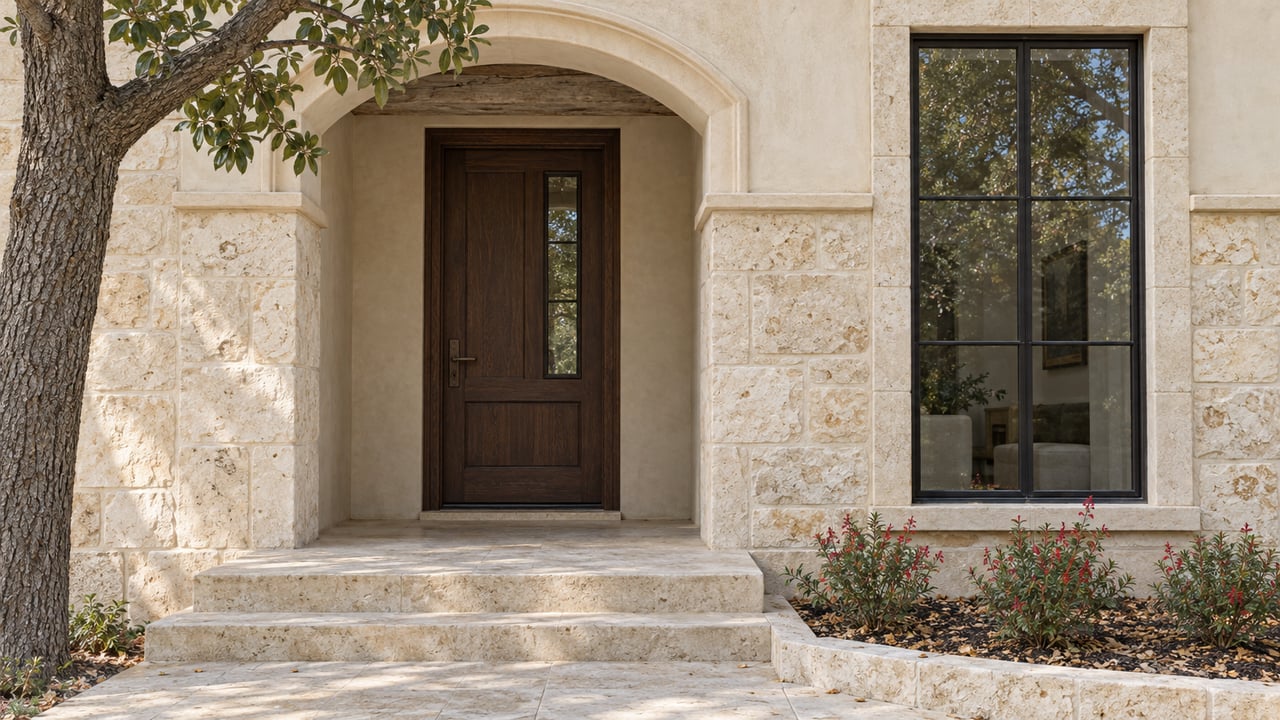
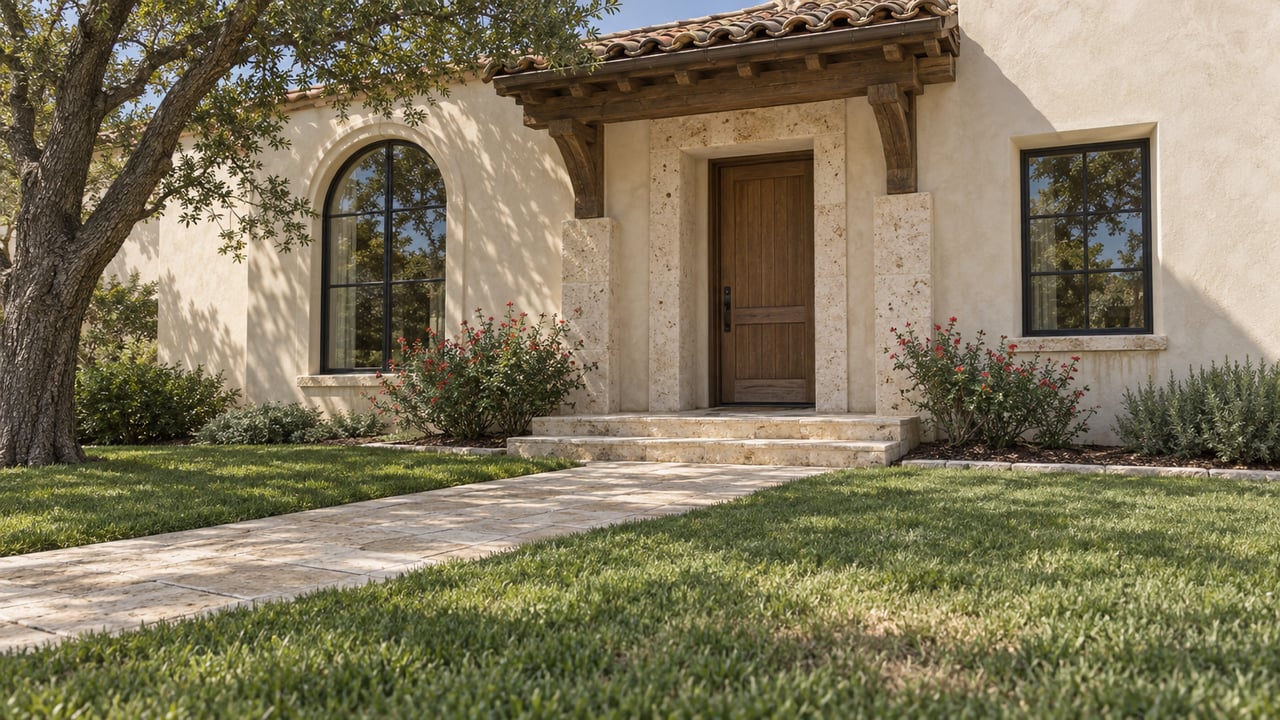
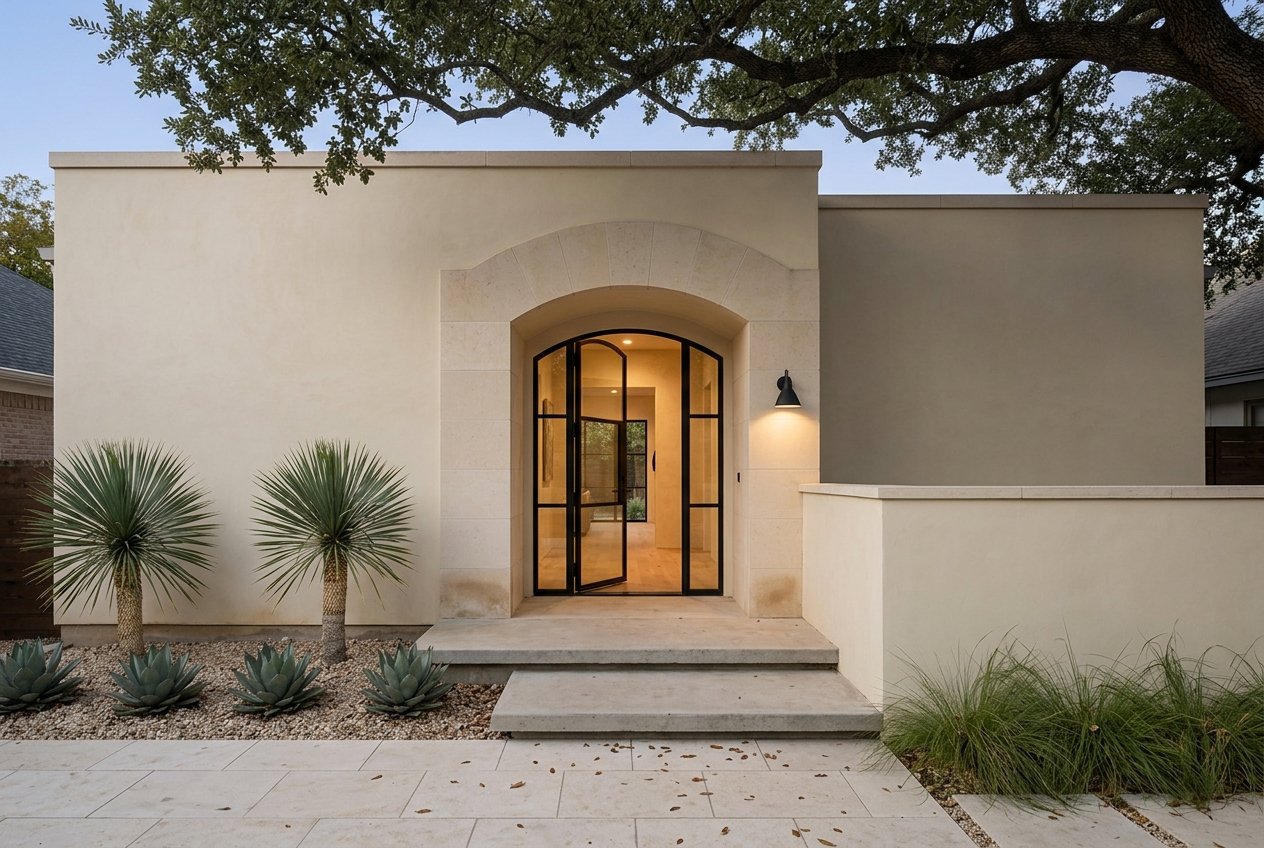
The housing stock in Zilker is not one-note. The Zilker Neighborhood Association’s neighborhood history notes that many homes were first built in the late 1920s, with cottage and bungalow styles among the older housing forms. Over time, small ranch homes and more modern styles also became part of the mix.
That layered history is a big reason Zilker feels architecturally varied. You are more likely to see a blend of eras and home types than a perfectly uniform streetscape.
What Buyers Commonly See
A fair summary of Zilker housing is:
- Older cottages and bungalows
- Mid-century homes
- Modern infill homes
- Some attached product near commercial edges
That variety can be appealing if you value design, lot potential, or a close-in location with different entry points. It also means each block and property can feel a little different, which makes local guidance especially useful when you are comparing value.
Why Zilker Commands Attention
Zilker sits in Austin’s premium tier. Zillow’s neighborhood data places the typical home value in Zilker at $881,751 as of March 31, 2026, with 59 homes for sale and 18 new listings. For broader context, the same source set notes that Unlock MLS reported a March 2026 median sold price of $550,000 for the City of Austin.
Those are different metrics, so they are not directly comparable. Still, they help illustrate the same point: Zilker is priced above the broader city market, and buyers are generally paying for centrality, park access, and the neighborhood’s long-term desirability.
The Tradeoffs Are Real
Every strong neighborhood comes with tradeoffs, and Zilker is no exception. Here, the biggest ones tend to be event traffic, parking pressure, and the extra attention older homes sometimes require.
Events Change the Flow
The same park features that make Zilker special can also create friction during major event windows. The city notes that special events, maintenance, and access changes can affect traffic patterns, parking, and entry. Parking is also first-come, first-served.
If you are considering the neighborhood, this is part of the honest picture. During ACL, Trail of Lights, and other major events, the area can feel much busier than usual.
Older Homes Need Closer Review
Because parts of Zilker include older cottages, bungalows, and mid-century homes, condition and renovation quality can vary from property to property. That does not make older housing a negative. It simply means the details matter.
If you are evaluating a home here, you want to look carefully at updates, construction quality, layout decisions, and how the property fits current market expectations. In a neighborhood with architectural range, strategy matters.
Who Usually Loves Living Here
Zilker tends to appeal to buyers who want more than square footage alone. It is often a strong fit if you care about being close to downtown, having real outdoor access in your daily routine, and living in a neighborhood with energy and design variety.
It can be especially compelling if you are weighing lifestyle value alongside long-term location strength. In that sense, Zilker often attracts buyers who see a home as both a place to live and a meaningful asset.
What Living in Zilker Really Feels Like
At the ground level, living in Zilker feels dynamic. You are close to water, trails, cultural events, restaurants, and some of Austin’s best-known public spaces. The neighborhood feels lived-in and active, not overly polished or overly removed.
That is really the defining point. Zilker is not just near the park. It lives with the park, with all the access, activity, convenience, and occasional congestion that comes with it.
If you are considering Zilker and want a clear, strategic read on which blocks, home types, and opportunities make the most sense for your goals, Peyton Thompson can help you navigate the neighborhood with a local, asset-minded approach.
FAQs
What does daily life in Zilker Austin feel like?
- Daily life in Zilker often feels active and park-centered, with easy access to trails, Barton Springs Pool, and nearby dining and music corridors.
What types of homes are common in Zilker?
- Zilker includes older cottages and bungalows, mid-century homes, modern infill, and some attached housing near commercial edges.
Why are homes in Zilker priced above much of Austin?
- Buyers often pay a premium for Zilker because of its close-in location, direct access to major outdoor amenities, and limited housing supply in a highly sought-after area.
What are the main downsides of living in Zilker near the park?
- The most common tradeoffs are event traffic, tighter parking during major park events, and the need for careful review when buying older homes.
How does Zilker Metropolitan Park affect the neighborhood?
- The park shapes the neighborhood’s daily rhythm by supporting walks, runs, rides, swimming, garden visits, and major city events throughout the year.
Is Zilker a good fit for buyers who want both lifestyle and long-term value?
- Zilker can appeal to buyers who want central Austin access, strong lifestyle amenities, and a neighborhood that remains desirable because of location and park proximity.